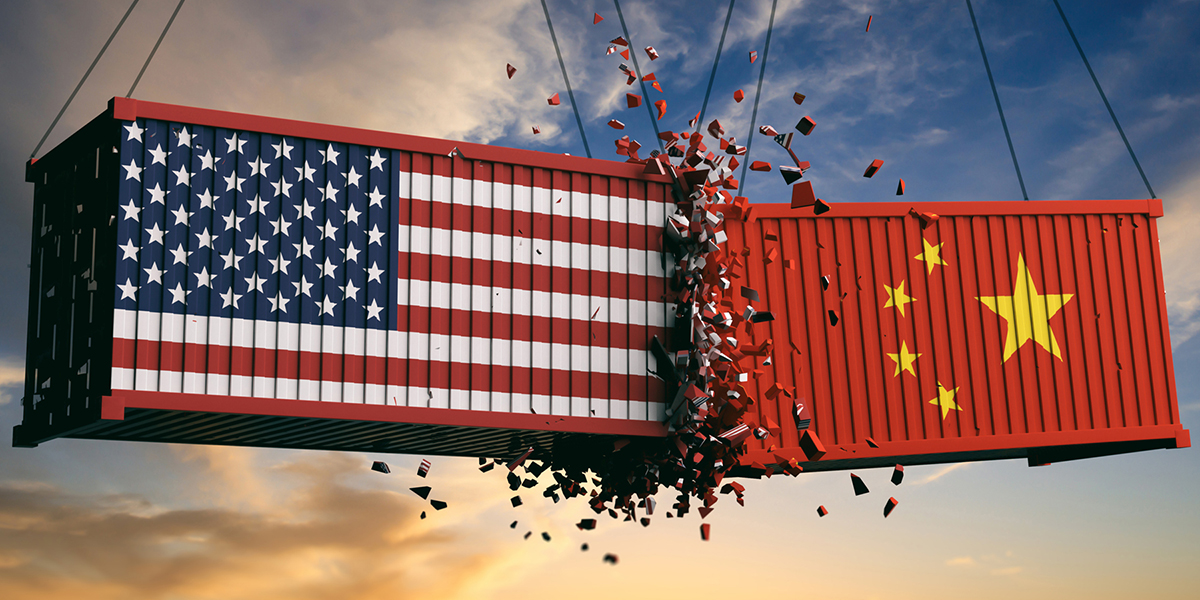
The United States and China have reached a preliminary “framework agreement” covering key trade issues, including mutual tariff reductions and the regulation of rare earth exports—marking the most significant step toward easing tensions between the world’s two largest economies in recent years.
According to sources close to the negotiations, the agreement aims to establish a structured roadmap for broader trade cooperation, with both sides committing to further talks in the coming months. The deal is seen as a move to stabilize global supply chains and reduce uncertainty in critical sectors such as semiconductors, electric vehicles, and renewable energy materials.
News of the breakthrough lifted global market sentiment, driving gains in equities and commodities. Investors interpreted the agreement as a potential turning point that could support global growth amid a period of weakening demand and geopolitical uncertainty.
Analysts emphasized that while the framework stops short of a full trade pact, it signals a meaningful shift toward dialogue and coordination between Washington and Beijing—two powers whose policies have deeply influenced global trade dynamics over the past decade.