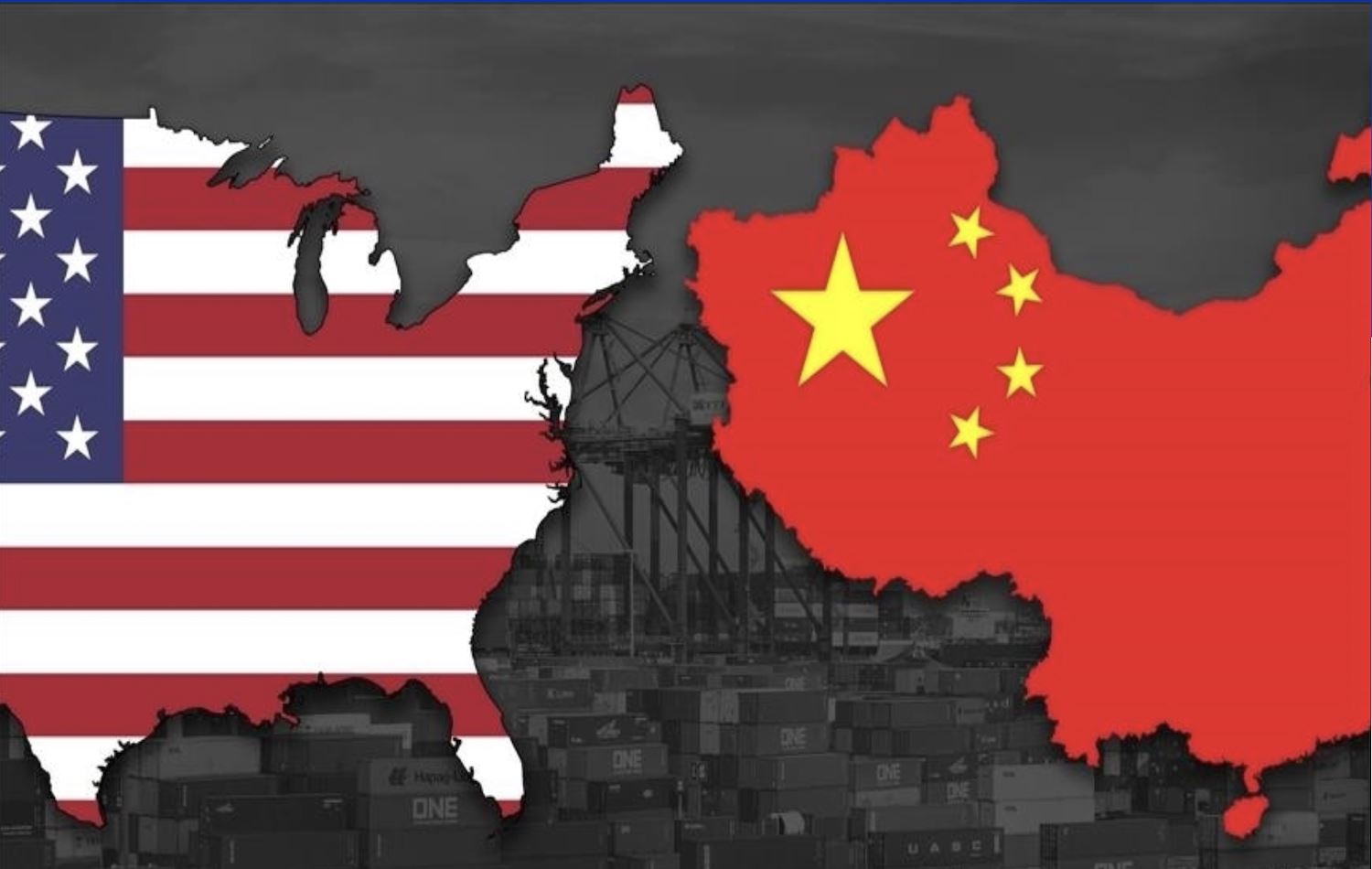
n the latest round of trade talks between the United States and China, officials from both sides indicated that they are moving closer to reaching a “framework agreement.” The development is seen as a potential step toward easing tensions ahead of the upcoming Trump–Xi leaders’ summit, expected to take place next month. The discussions have mainly focused on technology, agricultural products, and investment security.
U.S. Trade Representative official Sarah Greer stated that “progress has been made” in the recent meetings with China and that a framework to rebalance trade relations between the two nations is taking shape.
This move is regarded as one of the first concrete signs of easing tensions before the November 2025 Trump–Xi meeting. Analysts say the negotiations reflect a mutual attempt to find common ground, particularly regarding U.S. export restrictions on high-tech goods and China’s semiconductor subsidies.
According to economists, the revival of dialogue between the two superpowers could reduce uncertainty in global markets and boost investor confidence. However, despite this optimism, long-term structural disputes—such as intellectual property rights and the race for leadership in artificial intelligence technologies—still persist