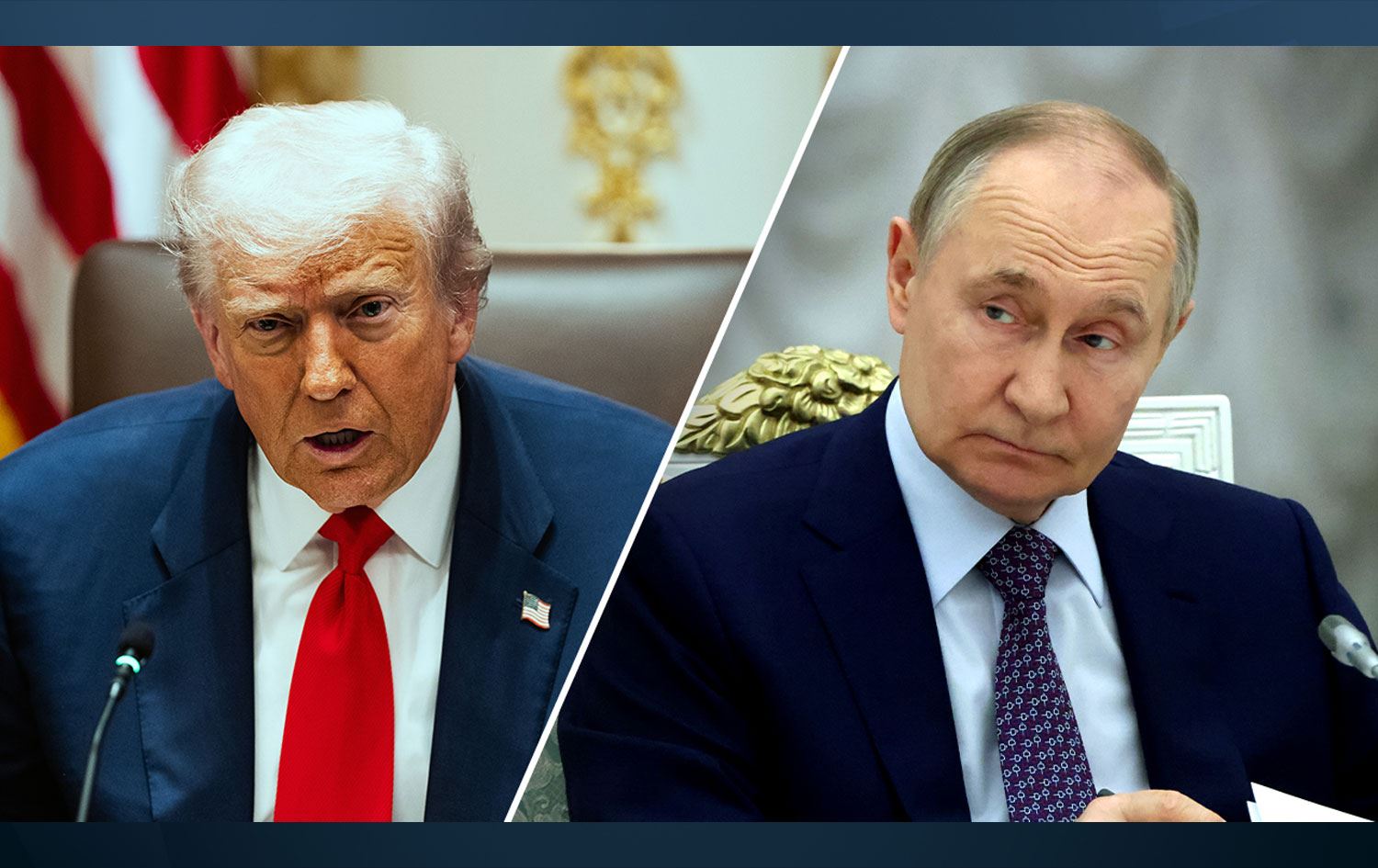
Unable to persuade Russian President Vladimir Putin to agree to a ceasefire in Ukraine, U.S. President Donald Trump has increased pressure on the Kremlin by imposing sanctions on Russia’s oil giants Rosneft and Lukoil. The United States has also urged its allies to comply with the new sanctions. This marks the first time since taking office that Trump has used sanctions as a direct tool to pressure Russia.
Under the decision, Russia’s two largest oil companies—state-owned Rosneft and privately held Lukoil—have been added to the sanctions list. The move carries symbolic weight, especially since Rosneft’s CEO, Igor Sechin, is known to be a long-time confidant of President Putin, highlighting Washington’s intent to target the Kremlin’s inner circle.
Critical warning from Bessent U.S. Treasury Secretary Scott Bessent warned that the sanctions not only apply to American firms and banks but could also affect any international institutions doing future business with these Russian companies. For example, banks that engage in transactions with Rosneft or Lukoil could see their assets in the United States frozen.
This development marks a sharp escalation in U.S.-Russia tensions, signaling a tougher stance from Washington. Analysts note that these sanctions could significantly disrupt Russia’s energy exports, which are a key source of revenue for the country, while also testing the unity of Western allies that depend on Russian oil and gas.
In essence, the move serves a dual purpose: to economically isolate Russia and to send a political message that the U.S. is prepared to act unilaterally if diplomatic pressure fails.