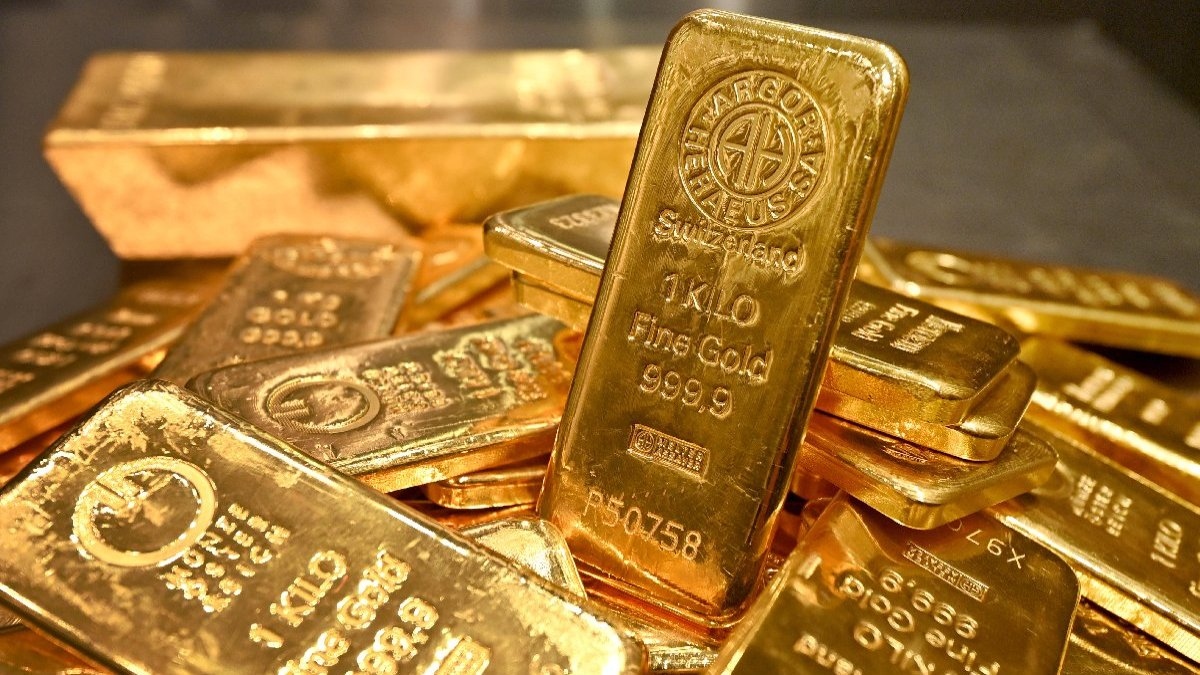
After reaching record highs, gold has continued to decline amid growing concerns that the market has overheated, pulling back toward the $4,000 per ounce level.
Spot gold fell by about 0.5% on Thursday, extending its recent losses. The technical correction has been compounded by selling pressure from investors exiting exchange-traded funds (ETFs). According to Bloomberg data, Wednesday saw the largest single-day outflow from gold-backed ETFs in the past five months, signaling that short-term investors are taking profits after the recent rally.
At the same time, investors are weighing the possibility of a U.S.–China trade deal, which could ease geopolitical tensions and reduce demand for safe-haven assets. The precious metal has dropped nearly 6% over the last two sessions, marking one of its sharpest pullbacks of the year.
Hebe Chen, an analyst at Vantage Global Prime, commented: “After such a prolonged rally, gold is behaving like an overstretched rubber band — it’s snapping back sharply. Prices holding above the $4,000 level suggest a technical correction rather than a fundamental breakdown. Safe-haven demand and monetary-debasement-driven trades remain firmly intact.”
From a broader perspective, analysts note that this correction may be a healthy pause in an otherwise bullish long-term trend, rather than the end of gold’s momentum. With ongoing uncertainty surrounding global inflation, debt levels, and central bank policies, institutional demand for gold remains strong, particularly from Asian markets and sovereign funds.
In short, while short-term volatility has increased, gold’s long-term outlook remains underpinned by the same forces that fueled its rise — persistent inflation, geopolitical risk, and waning confidence in fiat currencies.