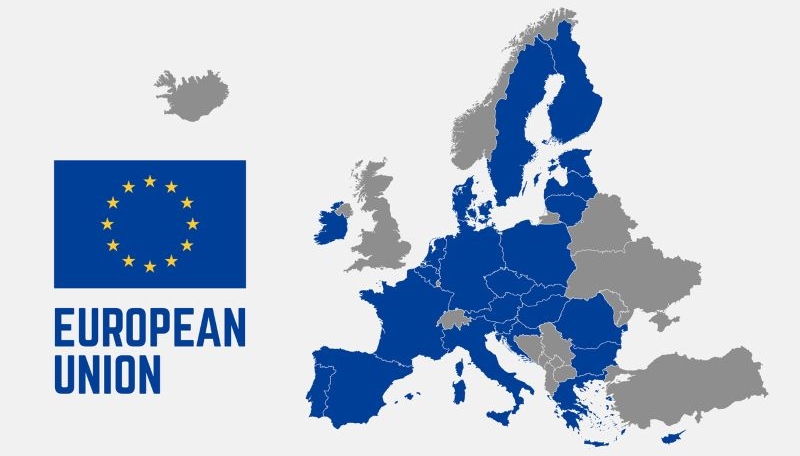
The European Union (EU) has expanded its latest sanctions package against Russia to include crypto assets and digital payment tools. For example, transactions involving Russia-linked stablecoins such as A7A5 have been prohibited.
EU operators are now barred from providing crypto services or financial infrastructure to Russian entities, effectively restricting Russia’s access to regulated European crypto markets.
Analysis: This development highlights that cryptocurrencies are no longer just financial investment tools but also instruments in geopolitical and sanction strategies. While Russia views crypto as a potential workaround to sanctions, enhanced monitoring and enforcement mechanisms by the EU and other international actors are narrowing these avenues.